Case summary & investigation
The crime and discovery
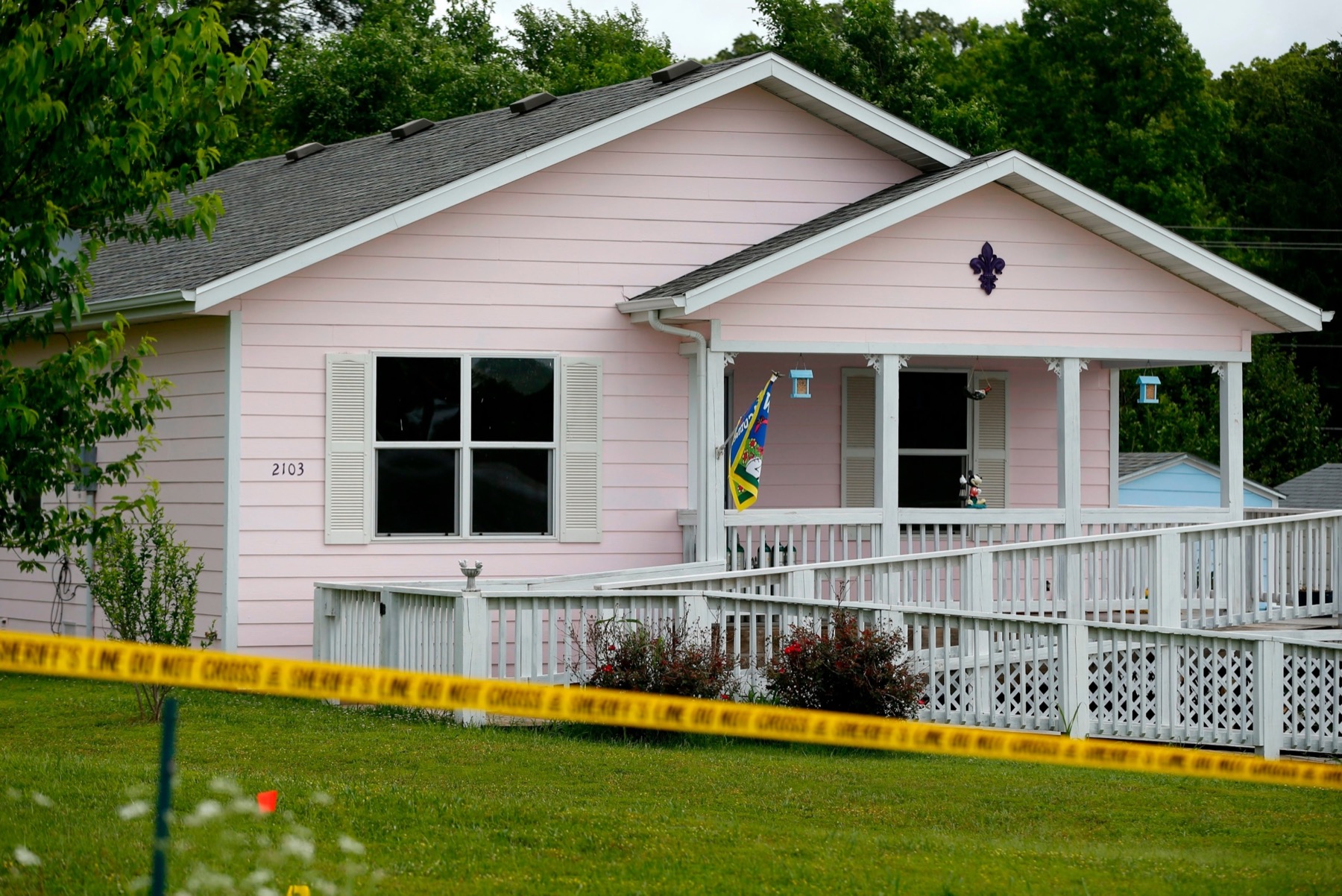
The original felony complaint did not give a single exact time of death. It alleged that the killing happened sometime between June 9 and June 14, 2015, at the Blanchard home in Greene County, Missouri. Dee Dee’s body was discovered on June 14 after a friend called 911 because disturbing messages had appeared on Dee Dee’s Facebook account. According to the sworn probable-cause statement, officers obtained a search warrant for the home and found Dee Dee dead in her bedroom. Gypsy was missing, even though the vehicle normally used by Dee Dee and Gypsy was still there. Because people around the family believed Gypsy was seriously ill and dependent on a wheelchair, her absence initially created concern that she might also be in danger (“Daughter and Paramour Charged”; Smith, Diaz, and Valiente).
Following the digital trail
The Facebook activity quickly became one of the most important pieces of evidence. Detective Stanley Hancock’s probable-cause statement says investigators determined that the posts had been sent from an internet connection registered to Nicholas Godejohn’s address in Big Bend, Wisconsin. That did not by itself prove who committed the homicide, but it gave investigators a location connected to someone they could identify. Greene County authorities contacted the Waukesha County Sheriff’s Office, whose deputies went to the Wisconsin address and found Gypsy and Godejohn there. Both were detained. This is a clear example of digital evidence being used to narrow a search and of law-enforcement agencies in two states coordinating during an investigation (“Daughter and Paramour Charged”).
The interviews
Investigators then interviewed both suspects. Hancock’s statement says Godejohn was given a Miranda warning before he spoke with police. According to Hancock, Godejohn admitted traveling to Springfield, said Gypsy had asked him to kill Dee Dee, admitted stabbing Dee Dee, and said the knife had later been mailed to his home address. The same statement says Gypsy was also given a Miranda warning and told investigators that she knew Godejohn planned to stab her mother, was inside the house during the killing, and later made one of the Facebook posts because she wanted her mother to be found. These were police-reported admissions at the investigation stage. They were strong evidence, but the probable-cause statement was written to support criminal charges, not to replace a later guilty plea or jury verdict (“Daughter and Paramour Charged”).
From evidence to charges
The investigation therefore had a fairly direct evidence chain. The Facebook posts prompted the welfare check. A search warrant allowed officers to search the home and confirm a homicide. Investigators linked the online posts to Godejohn’s Wisconsin address, which helped them locate both suspects. Separate post-Miranda interviews then gave police statements about each person’s role and about the planning surrounding the killing.
On June 16, prosecutors charged both defendants with first-degree murder and armed criminal action. At that point those charges were still allegations. The prosecutor’s own news release reminded the public that both defendants were presumed innocent unless and until guilt was established in court (“Daughter and Paramour Charged”).