The legal process
Gypsy’s plea agreement
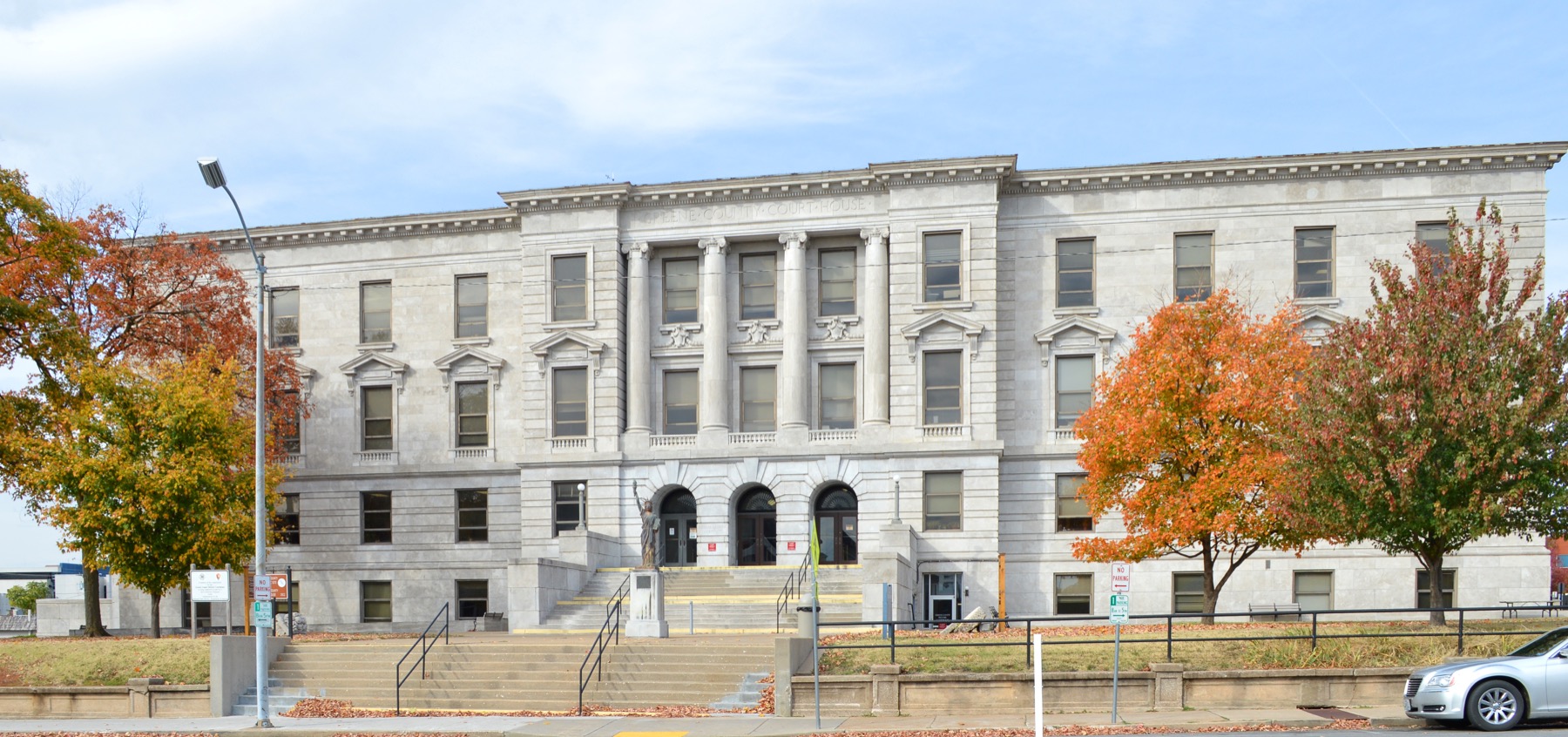
Gypsy Rose Blanchard and Nicholas Godejohn started with the same two charges but ended with very different legal outcomes. On June 16, 2015, the Greene County prosecutor charged both with first-degree murder and armed criminal action. Gypsy’s case was later resolved through a plea agreement rather than a trial. On July 5, 2016, she pleaded guilty to an amended charge of second-degree murder. The judge sentenced her to ten years in the Missouri Department of Corrections, and the prosecutor stated that she would have to serve 85 percent of the sentence before she could be considered for parole. Prosecutor Dan Patterson said the agreement still held her responsible for murder while taking into account what his office described as nearly two decades of systematic abuse by Dee Dee (“Gypsy Blanchard Pleads Guilty”).
Gypsy was released on parole on December 28, 2023, after serving about 85 percent of the ten-year term. Her sentence and her actual time in custody are different facts. A ten-year sentence was imposed by the court even though parole allowed her to leave prison before the full ten calendar years had passed (Shapiro, Uff, and Drymon).
Nicholas’s jury trial
Godejohn did not resolve his case by guilty plea. He went to a Greene County jury trial in November 2018. His lawyers argued diminished capacity, meaning they challenged whether his mental condition allowed him to form the deliberation required for first-degree murder. This was not the same as an insanity defense, and reporting before trial noted that he had been found competent to stand trial. The defense presented evidence about autism and cognitive limitations, while the prosecution argued that he was capable of considering his actions (“Gypsy Blanchard Now Likely to Testify”).
On November 16, 2018, the jury found Godejohn guilty of first-degree murder and armed criminal action (“VERDICT”). On February 22, 2019, he was sentenced to life in prison without parole for first-degree murder and to a concurrent 25-year term for armed criminal action (Scripps News Staff).
Appeals and later challenges
Godejohn has continued to challenge his conviction. The Missouri Court of Appeals affirmed his direct appeal on June 10, 2020 (State of Missouri v. Godejohn). A later post-conviction motion argued that his trial lawyers had provided ineffective assistance. After an evidentiary hearing, a Greene County judge denied the request to set aside the conviction in 2023. That was a claim about the quality of his representation, not a court finding that his original lawyers had actually been ineffective.
Godejohn appealed that post-conviction decision. The Missouri Court of Appeals affirmed it on April 1, 2024, and the Missouri Supreme Court denied his request to transfer the case on June 4, 2024 (Godejohn v. State, SD37983; Godejohn v. State, SC100575).
In March 2025, he filed a federal habeas corpus petition in the U.S. District Court for the Western District of Missouri. A habeas petition is a way for a prisoner to challenge the legality of custody on federal grounds after the state proceedings. The public Justia docket available during this research says it was last retrieved on July 31, 2025. That snapshot showed continuing filings but no final decision on the merits. This project was checked on September 18, 2026, so a newer federal docket would be needed before claiming a more current result (Godejohn v. Vandergriff).
For Gypsy, the sources reviewed for this project document her guilty plea, sentence, parole eligibility, and release. I did not find a later appellate opinion challenging her conviction, so I would not claim that she had “no appeals” without checking the complete Missouri docket.
Constitutional rights in practice
The two defendants also show how constitutional rights work differently depending on whether a person pleads guilty or goes to trial. The Sixth Amendment protects the right to a jury trial in serious criminal cases. A valid guilty plea gives up that right and several other trial protections, so constitutional law requires the waiver to be knowing and intelligent. This applies to Gypsy because her conviction came from her own guilty plea rather than a jury’s decision. I did not locate a transcript of her plea hearing, so it would be inaccurate to invent the exact questions the judge asked her (“Overview of Right to Trial by Jury”).
Godejohn used the jury-trial process. In a criminal trial, due process requires the prosecution to prove the defendant’s guilt beyond a reasonable doubt. His jury heard the state’s evidence and the defense arguments about diminished capacity before returning guilty verdicts. The prosecution’s accusation alone was not the legal finding. The verdict was (“Evidentiary Requirements in Criminal Cases”; “VERDICT”).
Search-and-seizure and interrogation rights also appear directly in the early record. Hancock’s sworn statement says the Blanchard residence was searched under a search warrant and that both suspects received Miranda warnings before the interviews described in the statement. Those records show where constitutional protections became relevant during the investigation. The sources reviewed for this project do not establish that the warrant or Miranda warnings were successfully challenged as unconstitutional, so there is no reason to invent a violation that the record does not show (“Daughter and Paramour Charged”).